
Introduction
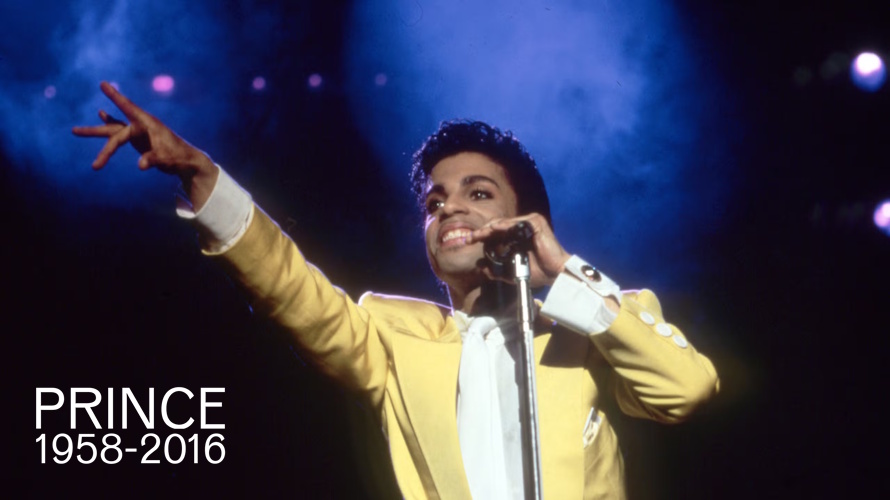
Ten years have passed. On April 21, 2016, Prince Rogers Nelson, the musical polymath and recognized genius, passed away. He was only 57 years old. During his lifetime, he released countless albums under his own name(s) and several pseudonyms.
Questions
What is the current state of Prince, his legacy, and how is his music being handled? Has anything changed in the perception of/about Prince? Does the name still live on, does Prince still matter?
The answers are not so easy to give. So first, a personal perspective. What does it do to me? Is the loss still as great? How do I judge his work now? And what about his influence?
Perhaps there’s another, even more important question. Is there still anybody who cares about those answers? Aren’t there countless issues people could or should be far more concerned about? The rise of fascism, the entrenched position of the far right in public debate, Gaza, Iran, the absurdity in the U.S., the growing alienation of larger groups of people from society, aren’t those the things that truly matter? So why pay attention to an artist who has been dead for 10 years? Why is it important to keep talking about that?
Susan Rogers – Lectures May 26 & 27, 2017
The importance of historiography
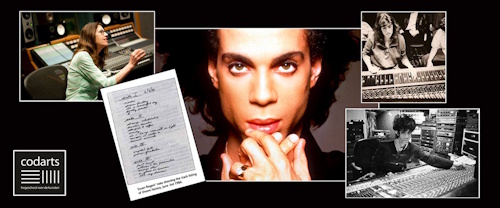
In May 2017, Susan Rogers was in Rotterdam for a series of lectures. Rogers was Prince’s main engineer during the years 1983, 1984, 1985, 1986, and 1987, the years that truly mattered, the years when Prince was untouchable; everything he did, wrote, played, or conceived was different, innovative, and highly original. In her lectures and interviews, Rogers spoke about the importance of continuing to share stories, introducing new generations to who Prince was, how significant his impact has been, and why documenting history remains essential.
And perhaps today this has become even more important. Books are being banned again, free thought is being restricted, and real lessons are increasingly ignored. Music isn’t just the soundtrack to a human life, but to a civilization as well. Part of the experience stems from nostalgia, certainly, but a significant portion is directly related to context.
The Gen X generation, to which I also belong, grew up with the very real possibility of nuclear destruction. At the time, this was reflected in all forms of music. From the doom of The Cure, Joy Division, and Killing Joke, to the anger of Crass, Discharge, and The Sex Pistols, from the escapism of disco and house to the reality found in 2 Tone ska. And yes, Prince was also Gen X (“We could all die any day / I don’t wanna die / I’d rather dance my life away“). His music, too, carried doubt, even if he colored his existential fears, uncertainties, and ideas in a different way. Prince’s work has to be measured in that light. It’s an essential ingredient in understanding and valueing his music, stance and image. That’s the point where historiography comes in.
The question remains, of course, whether music history, and Prince’s place therein, is as relevant when compared to man’s everyday struggles and sorrows. Ultimately, it is like comparing apples and oranges. One does not exist without the other. As painful as it may be, history not only helps interpret the past, but it also explains the present. Perhaps it is even more important to draw these lessons in these current times. History is fading into the background, subtlety has gone, knowledge has become opinion. It is precisely now that it is crucial to distinguish fact from fiction and to continue documenting history.
In my own, very modest way, I have tried to contribute to notion. Not only did the aforementioned Susan Rogers inspire me, but also Public Enemy frontman Chuck D, who recently stated that books, history, and music are of the utmost importance, especially now. Today, in the U.S., books, albums, and authors are being banned from schools. This affects Black history most directly. Revisionism teaches young people opinions instead of facts. Young people risk losing access to general, objective knowledge.
Prince – Provocateur?
Prince history
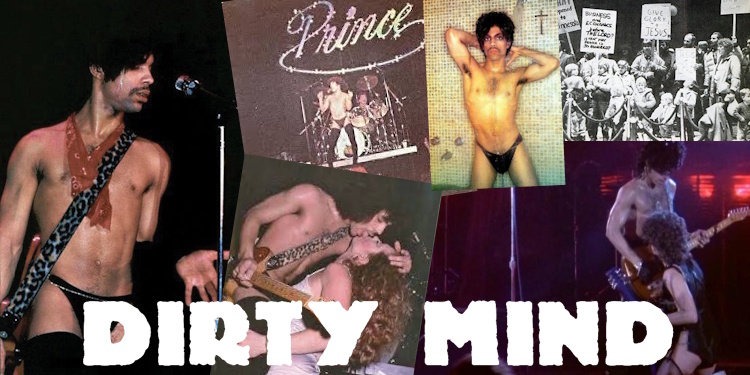
And why would Prince be so important? Apart from the fact that the life of a genius deserves to be retold, Prince undeniably meant a great deal to the (music) world as a whole. What is often forgotten is that in his early days, Prince was seen as a threat. Sexuality, especially Black sexuality, was a sensitive issue in the United States of the early 1980s. The supposedly safe Jackson family stayed neatly within the boundaries of what was deemed acceptable. Prince, by contrast, presented eroticism, both in image and musicality. But sexuality was also political:
Come on, everybody, yeah
This is ur life
I’m talkin’ about a revolution
We gotta organize
We don’t need no segregation
We don’t need no race
New age revelation
I think we got a caseWe need reproduction of the new breed
Leaders – stand up, organize…Sexuality is all u’ll ever need
Sexuality
Let ur body be free© 1981 Sexuality, Prince
And was it really about eroticism and sex? Prince himself saw it differently, as he says in Sexy MF: “In a word or two, it’s you I wanna do / No, not your body, your mind, you fool”.
During the  period, Prince headed the discussion on music rights, ownership of master recordings, control over the exploitation of his own music, and artistic freedom. Prince was indispensable in that debate. It cost him a large part of his career and brought him much contempt and misunderstanding, but in the end he was proven right. Today’s (major) artists owe a great deal to his pioneering work.
His innovations in offering digital content directly to his fanbase were groundbreaking. During the same period, David Bowie was also experimenting with an online community. Prince focused not only on physical media (CDs), but also on digital music. He was ahead of his time in music-encryption with digital signatures and licenses. His highly acclaimed online music community, NPG Music Club, gave fans access to an invaluable library of unreleased material, entry to pre-show soundchecks, aftershows, guaranteed access to concerts, and more. Those years were incredibly exciting, as new music was delivered, on a monthly basis in the beginning, directly from Prince and his organization to members one-on-one, without intermediaries.
Prince – Rock & Roll Hall Of Fame – While My Guitar Gently Weeps
Prince music
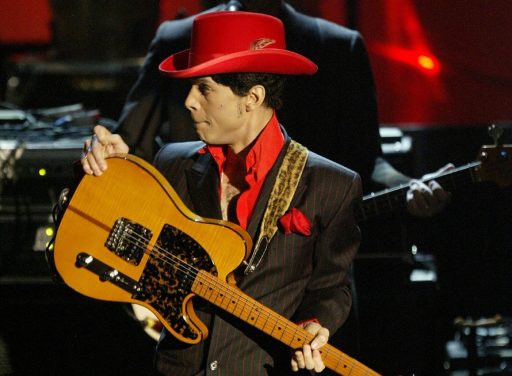
But ultimately, it’s all about the music. Prince was a multi-instrumentalist. At a young age, it became clear that he not only played many instruments, but excelled at them as well. He regularly gave his own band, as well as the many satellite acts under his wing, instructions on what to play, when and how, but also on choreography and attitude. He was always better than the guitarist, bassist, or keyboardist he was instructing.
Prince’s genius was only truly revealed to the music-loving public after his death. Due to the relentless battle Prince waged on the internet against anything associated with his name, very little audio and/or video material circulated on online platforms. I clearly remember that on the day of his passing, the editorial team of the Dutch program De Wereld Draait Door was desperately searching for footage. At the beginning of the broadcast, it was announced that Prince had died, and by the end, they had only managed to find something on YouTube with great difficulty.
By now, many recordings are available, especially live footage. That was where Prince had continued to reign all those years. His live performances were legendary. More and more people were able to see what he did and was capable of. His guitar work in particular was discussed, examined, and analyzed by many connoisseurs. The general sentiment was amazement at how it was possible that “we” hadn’t known this all along. Prince’s status has only increased among musicians. His genius is now widely recognized, especially within the music community.
The general public, however, has almost forgotten Prince. Gen Z, let alone Gen Alpha, barely knows the name. At most, maybe because one of their Gen X parents is a Prince fan, but in online content for newer generations, Prince no longer plays any significant role. The attempt by the Prince Estate to connect with the Stranger Things phenomenon was a logical choice, and it worked like a charm, so there is a Prince market to be gained.

Paisley Park Vault (old photo)
Prince Estate
And this brings us to the Prince Estate, the collection of accountants, lawyers, and family members tasked with digitizing and exploiting the contents of the famed Paisley Park Vault. What has been released since then?
Previously unreleased (standalone) albums
- Piano & A Microphone 1983
(September 21, 2018) - Originals
(June 7, 2019) - Welcome 2 America
(July 30, 2021) - Prince and the Revolution: Live
(June 4, 2022) - Live At Glam Slam
(October 11, 2023)
Of the above albums, only the first three are truly interesting/new. The two live albums had already been available in other formats, so in reality they offered nothing new. Piano & A Microphone 1983 was technically new, but had long been widely circulated among collectors since the early 1990s. Originals did not contain new songs, but Prince’s own versions of tracks he had previously given to other artists. The only truly new album was Welcome 2 America, a fine release.
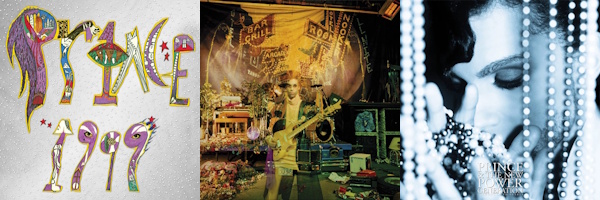
Prince – The beautiful reissues
Reissues
- Purple Rain: Deluxe / Deluxe Expanded
(June 23, 2017) - 1999: Remastered / Deluxe / Super Deluxe
(November 29, 2019) - Sign O’ The Times: Remastered / Deluxe / Super Deluxe
(September 25, 2020) - Diamonds And Pearls Super Deluxe Edition
(October 27, 2023) - Around The World In A Day Deluxe Expanded Edition
(November 21, 2025)
The reissues are of invaluable importance. While Purple Rain still felt like a trial run, things really took off with 1999 and Sign O’ The Times. Beautiful releases, featuring alternative mixes, outtakes, live performances, and more. The same largely applied to Diamonds And Pearls, but the last one on the list, Around The World In A Day, was disappointing. The officially released material was compiled, but there were no extras: no recordings of the America live video, no outtakes, no soundchecks, nor any introduction of the material during the Purple Rain tour. A missed opportunity. That’s what makes the news of the upcoming Parade reissue so exciting. Will it continue in the same vein, or (hopefully) return to the expansive reissues that actually deliver new gems?
Although the list may seem substantial, the amount of new, previously unreleased music is disappointing, especially considering the often-repeated statement from the Prince Estate that the Paisley Park Vault contains so much material that a new album could be released every year for decades to come.
Why isn’t that happening? Are there too many licensing issues, or is the Prince Estate too focused on the short term? Given the number of emails sent from the Prince online website, especially the Prince Store, it seems to be the latter. Mugs, stickers, phone cases, slippers, calendars, scarves, blankets, pins, bags, glasses, bedding, pendants, buttons, caps, T-shirts, hoodies, trousers, jackets, vinyl repressings, the list of Prince-related merchandise is endless, as are the emails.
But where are the new great reissues? 1999, Sign O’ The Times, and to a slightly lesser extent Diamonds And Pearls: that’s the way to go. Liner notes, context, information, interviews. That’s how it should be done, that’s how Prince’s legacy should be preserved and cultivated. Only three releases in ten years that meet the standard Prince deserves is far too little. In fact, it risks damaging his legacy rather than elevating it.
As mentioned, the name Prince seems to be fading. Younger generations, friends of my children, barely know him, if at all. Read the article on the Stranger Things connection from early 2026 and conclude that it helps when Prince’s legacy is deployed in new ways.
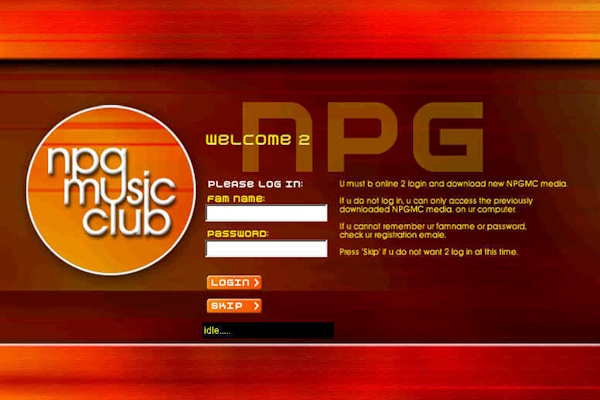
Prince – NPG Music Club (version 1) Login
Live releases
During the time of the NPG Music Club, I once suggested making better use of live recordings. Prince recorded all of his performances, either for his own archive or to review them and further improve his shows. All those recordings are still sitting in the vaults. At the time, I referred to artists such as Pearl Jam and Peter Gabriel, who made nearly all shows from their tours available to fans almost immediately. Bruce Springsteen is doing the same today. He has opened up his live archive, and multiple live albums are released each year, covering his entire career. I have already bought several beautiful recordings myself. The same could be done with Prince. It would keep his name alive, the music fresh, and the fanbase engaged. It is incomprehensible that so little is being done with the vast amount of unreleased music and concerts.
Finally, where are the albums from acts like Vanity 6, The Family, Madhouse and Jill Jones? Each of them innovative works that showcase another side of Prince and his muse. There is also still too much officially released material that is no longer available. That shouldn’t be too difficult to fix quickly. The ultimate travesty, however, remains the absence of The Black Album on streaming services. Where is the missing link between Sign O’ The Times and Lovesexy, one of the most popular bootlegs of all time?

Prince – blog
When I started my blog on July 1, 2016, about ten weeks after Prince’s passing, I was partly inspired by the articles I had previously published via Facebook stories. Those pieces generated attention and appreciation. Based on that, and drawing on earlier experiences, I decided to start a blog, with the only rule being that I would write about music I actually own and enjoy. My second goal turned into writing articles about every Prince album released during his lifetime. With the piece on HITnRUN Phase Two, which I published last December, that goal has almost been achieved after nearly ten years. There is still a little left to cover, but not much.
I have noticed that this “mission” has not only brought me a lot, but also to my readers. Of course, there were (and still are) many Prince aficionados who enjoyed reading about moments they themselves experienced, but it is striking how often I am contacted by readers who didn’t know Prince and are now gradually discovering him.
It has also brought me a great deal personally. By reading extensively, researching, and above all listening, I have come to view Prince’s work differently. The sense of wonder and admiration has only grown. The incredible run from 1980 through 1988 is unprecedented in the history of pop music. The resurgence between 1993 and 1995 was of exceptional quality. The period of The Rainbow Children and the One Nite Alone… Tour was exciting, innovative, and brilliant.
The sheer volume of music Prince released is astonishing enough, but in addition he also released albums that he entirely performed, sang, produced, and composed himself under different names, including The Time, Vanity 6, Sheila E., Apollonia 6, The Family, Madhouse, Jill Jones, Carmen Electra, The New Power Generation, Mayte, The NPG Orchestra, and Bria Valente. In addition, he performed on, wrote one or more songs for, and/or remixed work for a long list of artists, including Stevie Nicks, Sheena Easton, André Cymone, The Bangles, Mazarati, Deborah Allen, Kenny Rogers, Nona Hendryx, Taja Sevelle, Dale, Three O’Clock, Madonna, Wendy & Lisa, Mavis Staples, Brownmark, Patti LaBelle, George Clinton, Kid Creole & The Coconuts, Elisa Fiorillo, Tevin Campbell, Eric Leeds, Mica Paris, T.C. Ellis, Martika, Ingrid Chavez, Joe Cocker, Loïs Lane, Candy Dulfer, Monie Love, Jevetta Steele, Earth, Wind & Fire, Kate Bush, Margie Cox, Rosie Gaines, Céline Dion, Chaka Khan, Van Gogh, Graham Central Station, Ani DiFranco, Maceo Parker, No Doubt, Common, Stevie Wonder, Támar Davis, Dez Dickerson, Nikka Costa, Rhonda Smith, Ana Moura, Andy Allo, Judith Hill, Ida Nielsen, and Miles Davis.
In a live setting, Prince remained untouchable. At some point, I had to stop comparing concerts, because nothing and no one would ever be able to rival Prince in 1986, 1988, or 2002. The only artists who came close were D’Angelo and Kendrick Lamar.
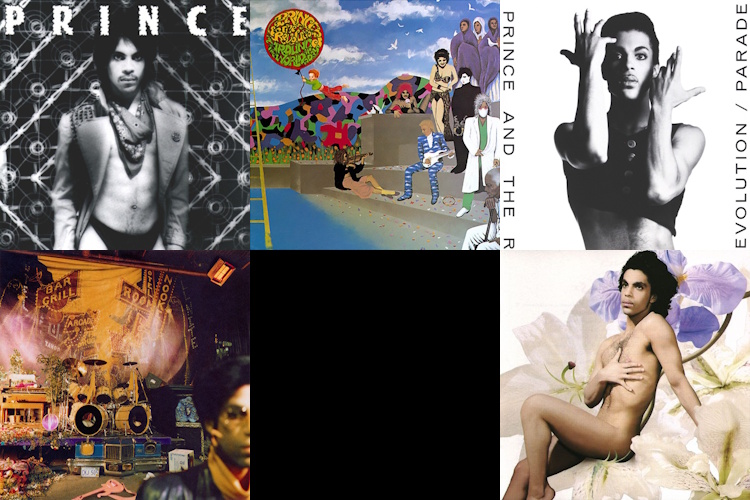
Prince – The golden six
Ranking
Of course, not every song, or album for that matter, Prince released was a gem. For a long time, I was convinced it couldn’t get worse than Diamonds And Pearls and O(+>. That turned out not to be the case. Planet Earth, 20Ten, and HITnRUN Phase One rank even lower. The first real disappointment for me was the song The Arms Of Orion, taken from the Batman album. I was shocked and couldn’t believe that Prince could write and record something so mediocre, let alone release it! But Diamonds And Pearls (both the album and the song) was the real letdown. Therefore, my relief was huge when, around mid-1994, I once again heard exciting, innovative, and original music coming out of Minneapolis. Prince, officially known at the time as , was back, and how!
But his output became more inconsistent, ranging from experimental to overt crowd-pleasing. Still, there was always that sense of excitement surrounding a new project, because every now and then he would still scatter gems.
Over the years, there has been a (slight) shift in my album preferences. Below is a link to all albums and their descriptions, as well as my ranking. For me personally, at this moment, Dirty Mind, Around The World In A Day, Parade, Sign O’ The Times, The Black Album, and Lovesexy are untouchable. The albums, the B-sides, the videos, the tours, everything aligned during those projects. The amount of unreleased material is staggering. Not only is the quantity unimaginable, but the quality is unparalleled as well. Therefore, a reissue of Parade is something I am eagerly anticipating.








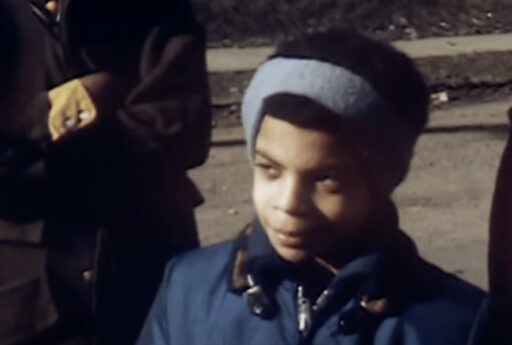
Prince Rogers Nelson – Interview 1970
Prince 11 years old
One of the most moving discoveries came to light by chance, when early 2022 an employee of the CBS News Minneapolis WCCO television station was searching for footage of teachers’ strikes from the past, in an effort to provide context for the strikes happening at the time. Recordings were found of a strike from 1970, during which students were also interviewed. One of the children stood out. It turned out to be Prince Rogers Nelson, then 11 years old. Wonderful footage of a very young Prince, already revealing much of his characteristic facial expressions. A beautiful and unique discovery!
The images are available in the subarticle Prince 11 years old – interview.
In closing
I would love to hear from my readers. What is your opinion and/or feeling 10 years after Prince’s passing? Let me know!
Thank you
I would like to sincerely thank Edward for proofreading.

Video/Spotify
This story contains an accompanying video. Click on the following link to see it: Video: Prince – Ten years later…. The A Pop Life playlist on Spotify has been updated as well.


5 comments
Skip to comment form
via GIPHY
Thank you Erwin for your wonderful work!
Author
Thank you so much for your kind words. Greatly appreciated. Truly.
I think the recent Q&A conducted at PP by the estate shows the disconnect between them and the vocal fans. I obviously don’t know why there’s this constraint on releases but money clearly comes into it. In his lifetime, P was frustrated by the restraint, but I think it was perfectly reasonable for the record companies to regulate the flow of material so that it would get a fair hearing. Not everybody went to the wreckastow on release day for an album; not everybody who might like it knew about it; And the material was certainly high-quality. You can only listen to one album at a time, so if you’re dealing with a new album every day, how much are you really going to get into it?
Currently, however, I think they’ve been burned by the over-production of things like the SOTT and D&P SDE, with stacks of unsold copies. Personally, D&P is a fairly dull album with a couple of great moments. Having even more of that material didn’t exactly excite me.
The current fans are going all be dead soon, and trying to suck up their money with reissues has already worn out. If they curated finished and unfinished material in a way that was accessible and affordable, the greater money-making machine (see Elvis) might have more mileage. But the idea that the final tour material was so amazing and incredible and his life story so we-must-wait-until-its-perfect-to-release-it is a complete bust. Just get on with it. We’ve already got a lot of it, I was listening to Trans4mation, the last show, three days ago, and it’s amazing. But it’s hard to get in a different way.
Prince held back material, obviously, until he’d finished it or it was ready in the right context, but I’m not sure there’s reason to do that now 100%. I’m sure people would enjoy contextualizing songs from their demos to their release. What about all the completed videos? There’s so many things you can do with the material that is more than just 10 tracks on a CD.
Author
Wow, thank you for your elaborate reply! I concur.